




Two people can leave the same salon with the same shade on their nails and have completely different weeks. One is still admiring glossy tips on day twelve. The other is picking at a chipped corner by Wednesday breakfast. That gap is rarely luck. It comes down to gel versus regular polish, and it decides how long you live with the result, how you take it off, and what you spend over a year.
Neither option is better in every way. The trick is knowing what each one demands from you.
What Actually Makes Gel Different
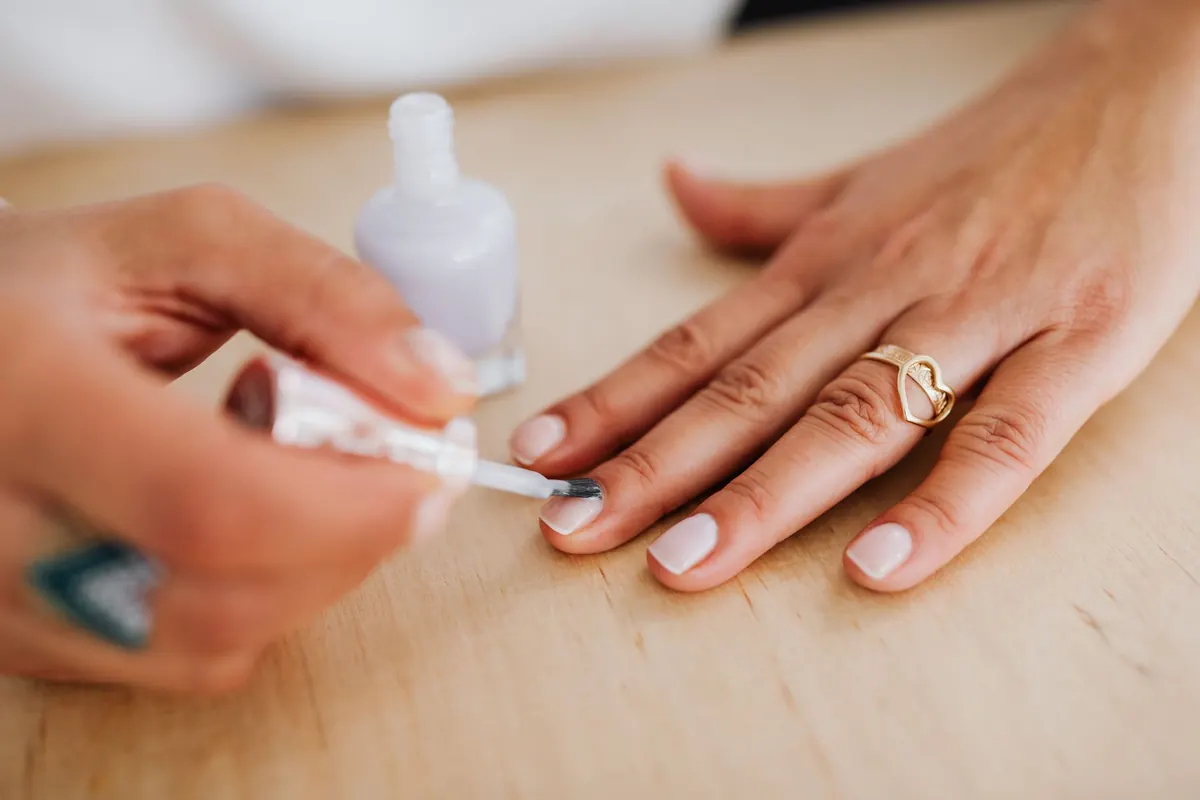
Regular polish is a lacquer. Solvents evaporate, pigment settles into a film, and the colour sits on the surface of the nail. It dries in the air, which is why a thin coat on a warm day behaves so differently from a thick one on a cold one.
Gel polish is a different chemistry. Each coat contains photo-initiators that stay wet until they meet a UV or LED lamp, then harden in a minute or less. Layers are cured one at a time, so nothing smudges while you wait. The finished film is tougher and slightly more flexible than lacquer, and it bonds to the nail plate rather than resting on top of it.
That single difference explains almost everything that follows: the wear time, the removal process, and why a bad gel application can do more damage than a bad regular one.
Durability: How Long Each One Really Lasts
A well-applied regular manicure typically gives you three to seven days before you see tip wear or a chip. A well-applied gel manicure usually holds for two to three weeks, and what you notice at the end is usually regrowth at the cuticle rather than chipping at the edge.
Those ranges are wide because your hands decide. The same polish behaves differently on someone who types all day, washes dishes without gloves, and keeps their nails long compared with someone with short nails and a desk job.
Four things shorten wear more than anything else:
- Nail prep. Oils, hand cream, and cuticle residue left on the plate stop both products from gripping. Gel suffers most here.
- Thick coats. Regular polish needs two thin layers, not one heavy one. Gel needs even, thin layers too, especially near the free edge.
- Water. Long soaks, hot tubs, and hours of cleaning swell the nail plate and lift the film from underneath.
- Your nail type. Peeling, flaking nails and very oily nail beds hold gel poorly. Dry, ridged nails sometimes hold it beautifully.
If your gel lifts within a week, the fix is usually technique and prep, not a different brand.
Removal: Where the Real Cost of Gel Shows Up
Regular polish comes off with a remover-soaked pad and a few minutes of patience. Glitter shades take longer and often need the foil method, but nothing about it threatens the nail underneath.
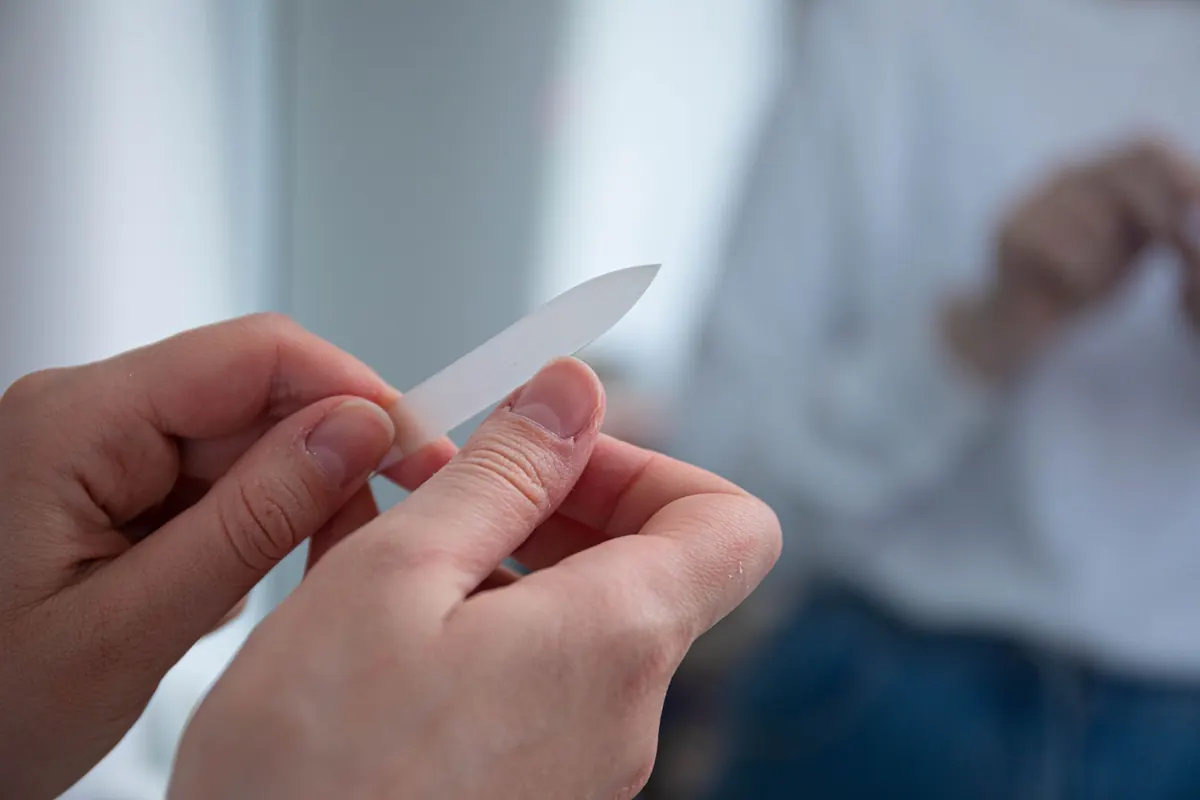
Gel has to be broken down. At a salon, the top layer is filed or buffed, then the nail is wrapped in acetone-soaked cotton for roughly ten to fifteen minutes so the product softens and can be gently pushed away. Done properly, it is slow but safe. Done badly, at speed with a coarse file or an aggressive e-file, it thins the nail plate.
The peeling trap
Picking gel off feels satisfying and costs you weeks of nail recovery. Each peeled piece takes a layer of nail with it, leaving white patches and a surface that is too damaged to hold the next set. If a corner lifts at home, resist it. Book a removal, or file that edge down gently and keep oiling until you can get it done.
Removal is the part of a gel manicure you pay for twice: once in time, once in nail condition.
Cost: The Upfront Price Isn't the Whole Story
A gel manicure costs more than a regular one at the salon, and the gap is mainly labour plus the lamp and product. That difference looks small in a single visit and quite large across a year of fortnightly appointments.
Doing gel at home flips the maths. The lamp and a starter set of base, colours, and top coat cost more than a bottle of polish, but the equipment keeps working and individual bottles last a long time. If you change your colour weekly, the gel kit usually works out cheaper within a few months. If you paint your nails five times a year for weddings and holidays, it probably never does.
A fair way to compare is cost per wear:
- Add up everything you spend on one manicure, including the tip, removals, and any top-up.
- Divide it by the number of days you actually get out of it before chips or regrowth annoy you.
- Do the same for the other option, including your own time if you do it at home.
Most people find regular polish wins on cost per session and gel wins on cost per day. Your own numbers will settle it faster than anyone else's opinion.
Nail Health and Sensible Precautions
Regular polish is the gentler of the two on the nail plate, though frequent remover use dries out both nails and surrounding skin. Gel involves more abrasive prep and longer acetone contact, so give your nails breathing room between sets. A break of a few days or weeks with a strengthening base coat and daily cuticle oil makes a visible difference.
Watch for warning signs rather than pushing through: pain, a green or dark discolouration, separation of the nail from the bed, or skin that itches and flakes after application. Those are reasons to stop and speak to a doctor or dermatologist, not to book another set. Some people develop sensitivities to gel ingredients or acetone over time, and once that starts, repeated exposure tends to make it worse. If you are concerned about UV exposure from the lamp, apply a broad-spectrum sunscreen to your hands beforehand or wear gloves with the fingertips cut off. And skip gel entirely on broken, infected, or painfully thin nails.
Which One Fits Your Life
- Choose regular polish if you like changing colour often, you want quick at-home removal, your nails are damaged or peeling, or you only need coverage for a few days.
- Choose gel if you need three weeks from one appointment, you work with your hands but not in water all day, and you are happy to book proper removals.
- Mix them. Plenty of people use gel on the hands for travel, weddings, or busy work months, and regular polish on the toes or in between gel sets.
Practical Habits That Make Either Last Longer
Whatever you choose, wear gloves for dishes and cleaning, push cuticles back after a shower rather than cutting them dry, and oil your nails and cuticles daily. Use thin coats, cap the free edge with your top coat, and let each layer dry properly before the next. Book removals instead of improvising them, and if your nails start to feel thin or sore, take a break and let them recover. If your nails have been weak, ridged, or discoloured for a while, have a professional look at them before your next manicure — you will get better long-term results from a healthy nail than from any polish formula.